
Dental Bridges Pompano Beach, FL
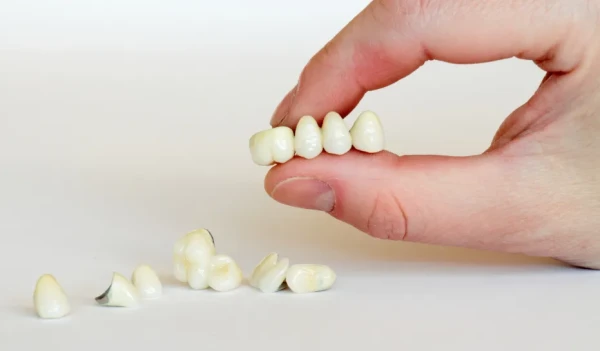
A dental bridge replaces one or more missing teeth by anchoring replacement teeth to the healthy teeth on either side of the gap. It restores your smile and your ability to chew, and it keeps neighboring teeth from shifting into the space. At America’s Bright Smiles of Pompano Beach, we design each bridge to match your natural teeth and check your bite so it feels comfortable.
Bridges are one of several restorative dentistry solutions we use to replace missing teeth.
Understanding Dental Bridges
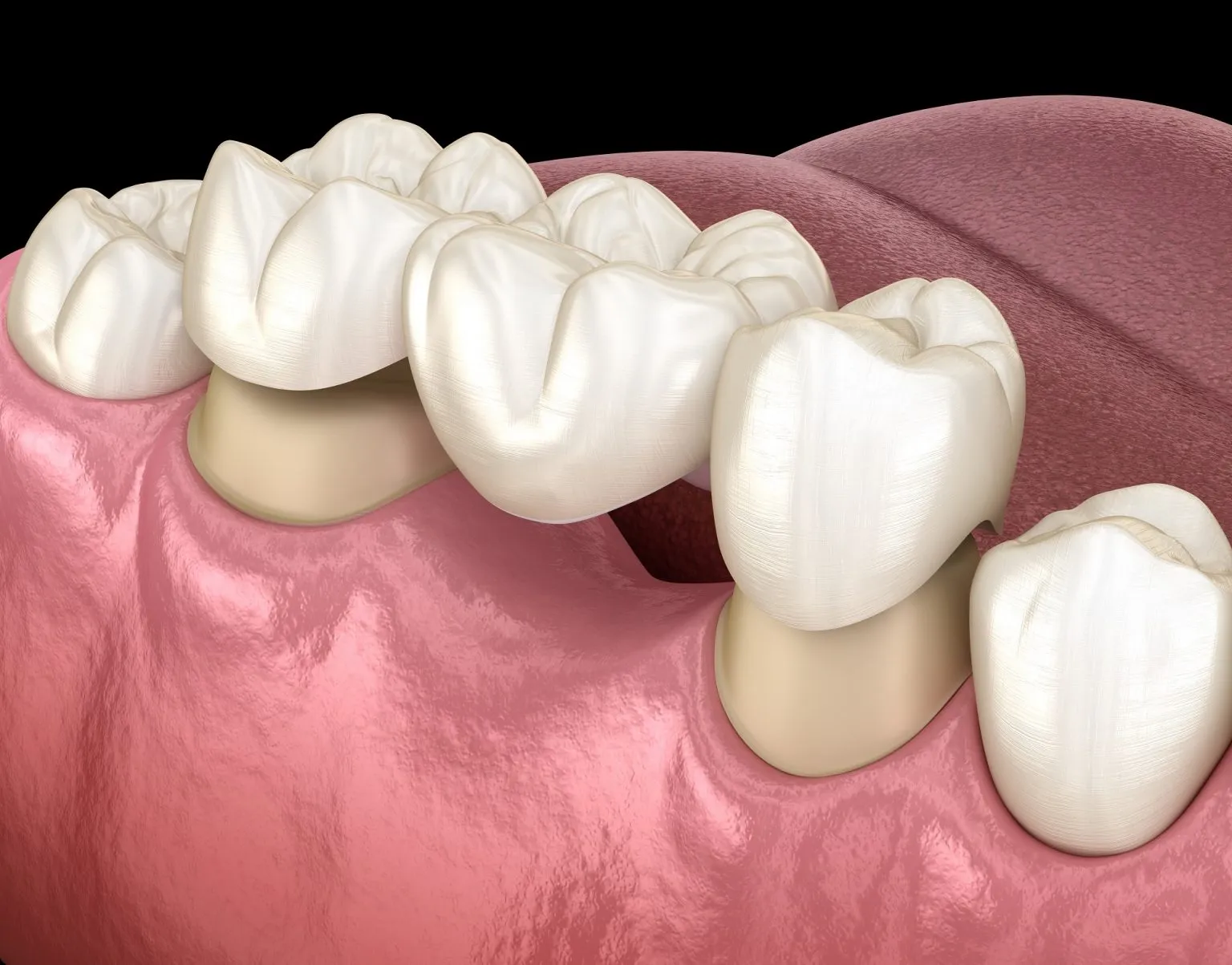
A dental bridge consists of one or more artificial teeth (called pontics) that are permanently attached to crowns placed on the teeth adjacent to the gap. These supporting teeth, called abutments, are prepared similarly to single crowns and serve as anchors for the entire bridge structure. The pontic teeth are crafted to match your natural teeth in color, shape, and size, creating a seamless restoration.
Bridges are cemented in place, so they cannot be removed like partial dentures. This fixed design is stable and comfortable for eating, speaking and smiling. Modern bridge materials can look very much like natural teeth.
Meet your dentist: Dr. Nancy Rotroff, DDS, MAGD, leads the team at our Pompano Beach practice.
Types of Dental Bridges
We offer several bridge designs to accommodate different clinical situations and patient needs. The best option depends on the location of missing teeth, the condition of adjacent teeth, and your specific goals.
Traditional Fixed Bridges The most common type, using crowns on adjacent teeth to support the pontic. This design provides excellent stability and is suitable for most situations where healthy teeth are present on both sides of the gap.
Cantilever Bridges Used when healthy teeth are available on only one side of the gap. The pontic is supported by one or more adjacent teeth, making this option suitable for specific locations where traditional bridges aren’t feasible.
Maryland Bridges (Resin-Bonded) A conservative option using metal or ceramic wings bonded to the back surfaces of adjacent teeth. This preserves more natural tooth structure but is typically used for front teeth with lighter chewing forces.
Implant-Supported Bridges When multiple adjacent teeth are missing, dental implants can serve as bridge supports instead of natural teeth. This approach preserves healthy tooth structure and is very stable.
Benefits of Choosing Dental Bridges
Bridges provide comprehensive tooth replacement that addresses both functional and aesthetic concerns while preventing the long-term complications associated with missing teeth.
Functional Restoration:
- Complete chewing ability for proper nutrition and digestion
- Clear speech patterns without gaps affecting pronunciation
- Proper bite distribution preventing overwork of remaining teeth
- Jaw stability maintaining correct facial structure and support
- Easy maintenance with routine brushing and flossing techniques
Aesthetic Enhancement:
- Natural appearance that blends seamlessly with existing teeth
- Smile completion filling gaps for confident social interactions
- Facial support preventing the sunken appearance of missing teeth
- Custom design tailored to your unique facial features and preferences
- Color matching to blend with your natural teeth
Health Protection:
- Prevents tooth shifting that can cause bite problems and crowding
- Maintains bone structure by providing functional stimulation
- Easier oral hygiene compared to removable partial dentures
- Reduced risk of gum disease in the area of missing teeth
- Protection of adjacent teeth from excessive wear and stress
The Bridge Treatment Process
Creating your custom bridge involves careful planning, precise preparation, and skilled craftsmanship to ensure optimal fit, function, and long-lasting results.
1. Comprehensive Evaluation and Planning
We’ll examine your mouth, take X-rays, and assess the health of adjacent teeth to determine if they can adequately support a bridge. This includes evaluating bone levels, gum health, and bite relationships.
2. Treatment Planning and Design
Digital impressions and photographs help us design your bridge for optimal aesthetics and function. We’ll discuss material options and create a treatment plan that meets your specific needs and goals.
3. Abutment Tooth Preparation
The teeth adjacent to the gap are carefully prepared by removing a small amount of enamel to accommodate the crowns that will support your bridge. This is done under local anesthesia for your comfort.
4. Precise Impressions and Temporary Bridge
Detailed impressions capture the exact specifications needed for bridge fabrication. A temporary bridge is placed to protect the prepared teeth and maintain normal function while your permanent bridge is being created.
5. Custom Bridge Fabrication
Skilled dental technicians craft your bridge using high-quality materials selected for your specific case. Every detail is planned to balance strength, function and natural appearance.
6. Bridge Placement and Final Adjustments
Your temporary bridge is removed, and the permanent bridge is carefully fitted and adjusted for proper bite alignment and comfort. Once the fit is right, the bridge is permanently cemented in place.
7. Post-Treatment Care Instructions
You’ll receive detailed instructions for caring for your new bridge, including specific hygiene techniques and maintenance recommendations to ensure long-lasting success.

Caring for Your Dental Bridge
Proper bridge care is essential for maintaining oral health and ensuring your restoration lasts for many years. While bridges are durable, they require specific maintenance techniques.
Daily Hygiene Routine:
- Brush twice daily with fluoride toothpaste, paying special attention to bridge margins
- Floss daily using specialized bridge floss or water flossers to clean under the pontic
- Use antimicrobial mouthwash to reduce bacteria around the restoration
- Clean bridge undersides thoroughly to prevent food accumulation and bacterial growth
- Inspect regularly for any signs of damage, looseness, or gum irritation
Special Cleaning Techniques:
- Bridge threaders help guide floss under the pontic for thorough cleaning
- Interdental brushes can effectively clean tight spaces around bridge components
- Water flossers provide excellent cleaning for hard-to-reach bridge areas
- Proxy brushes help remove plaque from bridge margins and contact areas
- Professional cleanings every six months to maintain optimal gum health
Foods and Habits to Avoid:
- Very hard foods that could damage or dislodge the bridge
- Sticky foods that can pull on bridge components
- Ice chewing which can fracture bridge materials
- Using teeth as tools to open packages or bottles
- Grinding and clenching which can damage bridge and supporting teeth
Bridge vs. Other Tooth Replacement Options
Understanding how bridges compare to other tooth replacement methods helps you make the best decision for your specific situation and lifestyle needs.
Bridges vs. Dental Implants: Bridges can be completed faster and may cost less initially, but implants preserve adjacent healthy teeth and typically last longer. Implants are ideal when adjacent teeth don’t need crowns, while bridges work well when neighboring teeth would benefit from crown coverage.
Bridges vs. Partial Dentures: Bridges are permanently fixed and feel more like natural teeth, while partial dentures are removable and may feel less stable. Bridges usually give better chewing and clearer speech but require healthy adjacent teeth for support.
Bridges vs. No Treatment: Leaving gaps untreated can lead to tooth shifting, bite problems, bone loss, and difficulty eating. Bridges prevent these complications while restoring full oral function and aesthetic appeal.
Candidates for Dental Bridges
Most people with missing teeth can benefit from bridge treatment, but certain factors affect suitability and treatment success.
Ideal Candidates:
- Adults missing one to three adjacent teeth
- Healthy adjacent teeth capable of supporting bridge structure
- Good oral hygiene habits and commitment to maintenance
- Adequate bone support around abutment teeth
- Realistic expectations about treatment outcomes and care requirements
Special Considerations:
- Gum disease must be treated before bridge placement
- Heavy grinders may need night guards to protect their investment
- Smokers face increased risk of complications and should consider quitting
- Medical conditions affecting healing may require modified treatment approaches
- Age factors may influence material selection and treatment planning
FAQ: Dental Bridges
Additional Resources and References
For more information about dental bridges and tooth replacement options, we recommend these trusted resources:
- American Academy of Restorative Dentistry (AARD) – Comprehensive information about bridge procedures and maintenance
- American Dental Association (ADA) – Evidence-based information about tooth replacement and oral health
- Academy of General Dentistry (AGD) – Patient education resources about restorative treatments
- American College of Prosthodontists (ACP) – Specialized information about prosthetic dentistry and complex restorations
Why Choose America’s Bright Smiles for Dental Bridges in Pompano Beach, FL?
What you can expect:
- Custom Bridge Design – Treatment planning that considers aesthetics, function and long-term success
- Premium Materials – High-quality bridge materials chosen for strength and a natural look
- Advanced Technology – Digital impressions and precise fabrication techniques for optimal fit and comfort
- Experienced Restorative Care – Dr. Rotroff’s postgraduate training includes comprehensive care and occlusion
- Flexible Payment Options – Multiple financing choices and payment plans to make treatment accessible
- In-House Dental Membership Program – Comprehensive coverage for restorative treatments and maintenance care
Ready to Complete Your Smile?
Missing teeth can affect how you eat and speak and can let neighboring teeth shift over time. A bridge fills the gap and helps prevent those problems. At America’s Bright Smiles of Pompano Beach, we’ll explain whether a bridge, an implant or a partial denture fits your situation.
Call (954) 941-2490 to book a visit. We’ll look at the gap, explain whether a bridge, an implant or a partial denture fits best, and give you a plan and a cost estimate. Replacing a missing tooth early helps prevent further tooth loss.
Comprehensive tooth replacement consultations available. Ask about our bridge financing options and material choices for your specific needs.


